
Understanding Why People Turn to Drugs
Exploring the emotional, social, and biological roots of addiction — so we can prevent harm before it begins.
Roots of Addiction: Why It Begins
Understanding the Roots of Substance Use
Drug use rarely begins for a single reason.
Behind every story of addiction lies a mix of emotional pain, environmental pressures, biological vulnerability, and unmet psychological needs.
By understanding why people start using drugs, we can address the real causes — not just the symptoms — and build stronger prevention strategies.
1. Emotional and Psychological Factors
For many individuals, drugs become a way to escape emotional pain, stress, or anxiety.
Mental health issues such as depression, trauma, or unresolved grief often make people more vulnerable to substance use.
In these cases, drugs may seem to offer temporary comfort — but they quickly become a trap that deepens emotional suffering.
Example:
A young adult experiencing chronic stress and loneliness might turn to substances to “feel normal.”
Over time, that relief fades, and dependence replaces control.
2. Family and Biological Influences
Addiction can run in families.
Research from the National Institute on Drug Abuse (NIDA) shows that genetics account for 40–60% of addiction risk.
Children who grow up around substance use may also learn to normalize it as a coping method.
However, positive parenting, education, and family support can reverse this pattern and build resilience.
Example:
A teenager raised in a family with alcohol problems may be at higher risk, but early awareness and honest communication can prevent future substance use.
3. Social and Environmental Pressures
Our surroundings shape our behavior.
Communities where drugs or alcohol are easily available — or even socially accepted — create higher exposure and risk.
Peer pressure, unemployment, or unsafe living conditions can increase the likelihood of experimentation.
Example:
A student in a school environment where drug use is common might begin out of curiosity or the desire to belong.
4. The Impact of Trauma
Trauma is one of the strongest predictors of substance use.
People who have experienced abuse, neglect, or loss often turn to drugs to numb emotional pain.
This is especially true when they lack access to therapy, understanding, or support systems.
Healing from addiction begins with compassion — not judgment.
Example:
Someone who experienced violence or emotional neglect as a child may later use substances to cope with memories that feel too painful to face.
5. Breaking the Cycle
Understanding why people start using drugs helps us shift from blame to empathy.
Addiction is not a moral failure — it’s a human response to suffering.
With early education, mental health support, and strong communities, prevention becomes possible.
At O.H.C (Organization for Humanitarian Cooperation), we believe in helping people rebuild their lives through understanding, cooperation, and compassion.
Together, we can replace fear with hope — and addiction with healing.
Understanding the Root Causes of Drug Use


Environment
The environment we live in shapes our choices and behaviors.
Friends, family, school, and community influence how we view substance use.
When drugs or alcohol are normalized in someone’s surroundings, the risk of starting increases.
Family History
Addiction risk can be passed down through families.
Genetics account for about 40–60% of a person’s vulnerability to substance use.
But awareness, education, and positive family support can break this cycle.
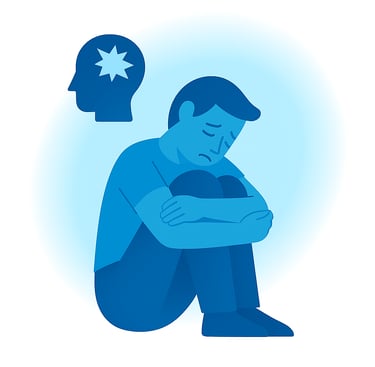
Trauma
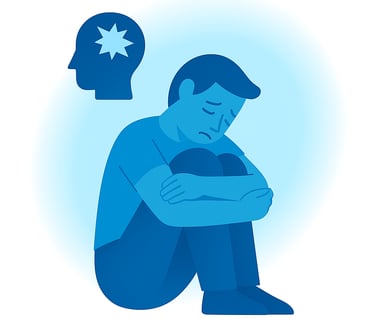
Painful experiences often lead people to seek relief through substances.
Childhood trauma, abuse, or loss can increase the risk of addiction.
Healing begins with understanding and compassion, not judgment.
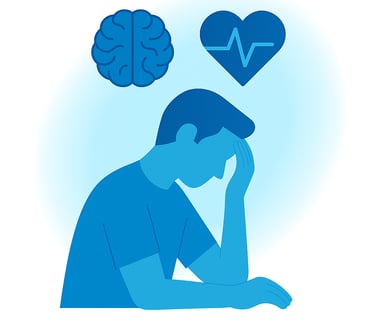
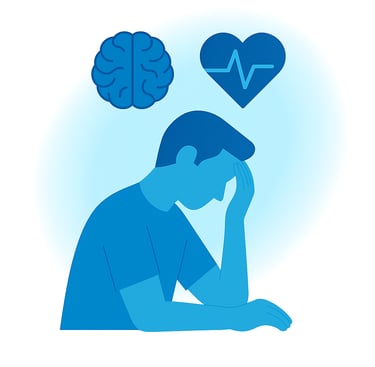
Mental / Behavioral Health
Mental health challenges such as anxiety, depression, or stress can lead people to use substances as a form of relief.
Without proper support or treatment, these struggles may increase the risk of addiction.
Encouraging open conversations and providing early help makes healing possible.
Drug use often begins as a response to deeper challenges — emotional pain, difficult environments, or inherited risks.
By exploring these underlying factors, we can understand the full picture of addiction and help people find healthier ways to heal.
You Are Not Alone — Support Is Closer Than You Think
Life’s challenges can feel overwhelming — but no one should face them alone.
If you or someone you care about is struggling with addiction, anxiety, or emotional pain, there is help.
Through compassion, understanding, and cooperation, healing becomes possible.
Below you can find trusted organizations and helplines in Denmark and around the world that offer professional and confidential support.
Take the first step — reach out, talk, and let hope begin to grow.
Over 35 million people worldwide struggle with addiction — but recovery is possible when compassion meets action.
“Healing begins the moment we choose to share our pain.”
— O.H.C.
“Even in the darkest moments, a single act of kindness can light the way.”
— O.H.C.
Contact us
© 2026. All rights reserved.
Address:
Godthåbsvej 98
2000 Frederigsberg
Denmark
Send us a message or call us directly. We will respond shortly.