Family History and Addiction Risk
How Family History, Genetics, and Environment Shape Vulnerability — and Why Awareness Gives You the Power to Change the Outcome
Is Addiction in Your DNA? How to Understand Your Risk and Break the Cycle
Have you ever looked at your family and wondered which traits were passed down to you? We often talk about inheriting eye color or a particular sense of humor, but we rarely discuss the more complex legacies we might carry, including predispositions to certain health challenges. One of the most difficult of these is the risk of addiction.
When a family has a history of addiction, it’s natural to wonder what that means for the future. It can feel like a predetermined path, a story already written. But while genetics certainly play a role, they are far from the only factor. The truth is much more nuanced and, ultimately, more hopeful.
Understanding the interplay between our genes and our environment is the key to empowerment. Here are three key takeaways from recent research that shed light on how family history impacts addiction and what you can do to forge a healthier path forward.
1. Your Genes Play a Significant Role
Research shows that genetics can account for 40–60% of an individual's vulnerability to addiction. For those with a family history of substance use, this means there can be a higher biological and emotional risk from the start. This isn't about assigning blame or resigning yourself to fate; it's about understanding a baseline risk so you can approach it with awareness. Understanding this baseline is the first step toward empowerment, as it allows you to be proactive rather than reactive.
2. Family Influence Goes Far Beyond DNA
While genes are part of the story, they aren't the whole book. Family influence extends well beyond DNA, shaping us through our environment. Critical factors like stress, learned behaviors, family communication patterns, and the level of emotional support are all part of the equation. These elements are incredibly important, as they teach us how to cope with life's challenges and build our resilience.
3. Awareness is the First Step to Breaking the Cycle
This is the most empowering takeaway: knowing your risks gives you the power to change the outcome. Awareness and education are described as powerful tools for prevention. By understanding the genetic and environmental factors at play, families can proactively build resilience and break the cycle.
By focusing on two foundational pillars—building healthier habits and providing emotional safety—families can create a resilient environment. From that solid foundation, they can actively break the cycle through specific strategies like having open conversations, offering consistent encouragement, and pursuing early intervention when needed.
Conclusion: Your Family History is Not Your Destiny
Your family history is not your destiny. While genetics can create a predisposition for addiction, your family environment and your own proactive choices are profoundly influential. By acknowledging the risks, fostering a supportive environment, and committing to open communication, you hold the power to shape a new legacy.
Knowing this, what is one conversation you can start today to build a healthier future for yourself and your family?
Understanding the Root Causes of Drug Use


Environment
The environment we live in shapes our choices and behaviors.
Friends, family, school, and community influence how we view substance use.
When drugs or alcohol are normalized in someone’s surroundings, the risk of starting increases.
Family History
Addiction risk can be passed down through families.
Genetics account for about 40–60% of a person’s vulnerability to substance use.
But awareness, education, and positive family support can break this cycle.
Trauma
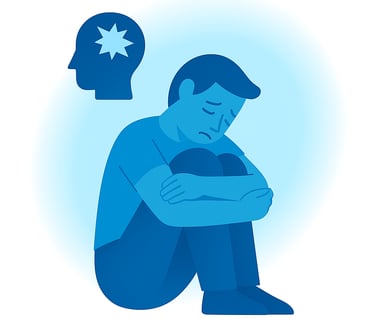
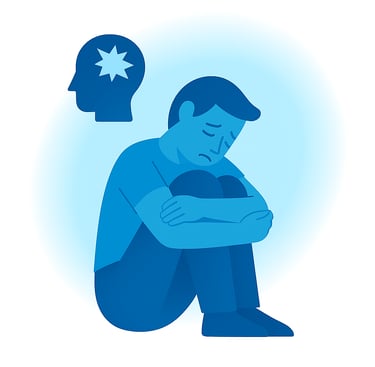
Painful experiences often lead people to seek relief through substances.
Childhood trauma, abuse, or loss can increase the risk of addiction.
Healing begins with understanding and compassion, not judgment.
Mental / Behavioral Health
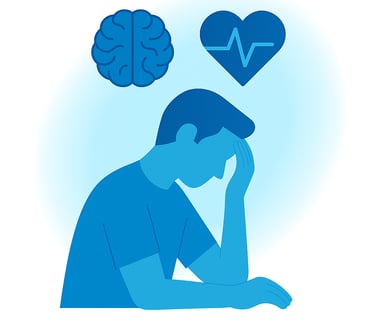
Mental health challenges such as anxiety, depression, or stress can lead people to use substances as a form of relief.
Without proper support or treatment, these struggles may increase the risk of addiction.
Encouraging open conversations and providing early help makes healing possible.
Drug use often begins as a response to deeper challenges — emotional pain, difficult environments, or inherited risks.
By exploring these underlying factors, we can understand the full picture of addiction and help people find healthier ways to heal.
You Are Not Alone — Support Is Closer Than You Think
Life’s challenges can feel overwhelming — but no one should face them alone.
If you or someone you care about is struggling with addiction, anxiety, or emotional pain, there is help.
Through compassion, understanding, and cooperation, healing becomes possible.
Below you can find trusted organizations and helplines in Denmark and around the world that offer professional and confidential support.
Take the first step — reach out, talk, and let hope begin to grow.
Over 35 million people worldwide struggle with addiction — but recovery is possible when compassion meets action.
“Healing begins the moment we choose to share our pain.”
— O.H.C.
“Even in the darkest moments, a single act of kindness can light the way.”
— O.H.C.

Contact us
© 2026. All rights reserved.
Address:
Godthåbsvej 98
2000 Frederigsberg
Denmark
Send us a message or call us directly. We will respond shortly.