Beyond Willpower: How Environment Shapes Our Choices
The Invisible Influence
We often believe our choices are a simple product of willpower and personal character. But what if the most powerful force shaping our habits and decisions is one we barely notice? The environment we live in—our homes, schools, and communities—exerts a profound and often invisible influence on our beliefs, actions, and vulnerability to substance use. This article distills the key insights from the concept of "Aplinka" (Environment) to reveal how our surroundings are the silent architects of our lives.
Our Surroundings Shape What We See as "Normal"
The environment we grow up and live in has a major influence on our beliefs, habits, and decisions. Factors like family dynamics, the attitudes of our peer groups, the climate within our schools, and the overall atmosphere of our community all combine to create our definition of "normal." This perspective is powerful because it shifts the focus from blaming an individual for their choices to understanding the context that shaped them in the first place.
Vulnerability is Often a Product of Place
Risk is not just a matter of personal weakness; it is often a direct consequence of one's environment. Surroundings where drug or alcohol use is normalized can significantly increase a young person's curiosity and the social pressure to experiment. This vulnerability is heightened by other environmental factors, including a lack of positive role models, exposure to violence, and unstable living conditions. This shows that risk isn't always about making a "bad choice," but can be a predictable outcome of a challenging environment.
The Most Powerful Prevention is a Positive Environment
The most effective strategy for preventing substance use isn't about lecturing individuals on willpower; it's about building supportive and healthy surroundings that protect them from risk. The core message is both simple and profound:
Creating safe, understanding, and positive environments—at home, in schools, and within communities—plays a crucial role in preventing addiction and empowering individuals to make healthy choices.
This takeaway offers a hopeful and actionable path forward. It reframes prevention as a matter of collective responsibility—building better systems and communities—rather than a burden of individual struggle.
A Final Thought
Ultimately, understanding the power of our environment gives us a new lens through which to view human behavior. It teaches us that to foster healthier choices, both for ourselves and for others, we must first look outward. The most important work we can do is to cultivate surroundings where the healthiest choice is also the easiest one.
What is one small change you could make to improve the environment for yourself or those around you?
Why the Surroundings We Live In Influence Our Habits More Than We Realize
Understanding the Root Causes of Drug Use


Environment
The environment we live in shapes our choices and behaviors.
Friends, family, school, and community influence how we view substance use.
When drugs or alcohol are normalized in someone’s surroundings, the risk of starting increases.
Family History
Addiction risk can be passed down through families.
Genetics account for about 40–60% of a person’s vulnerability to substance use.
But awareness, education, and positive family support can break this cycle.
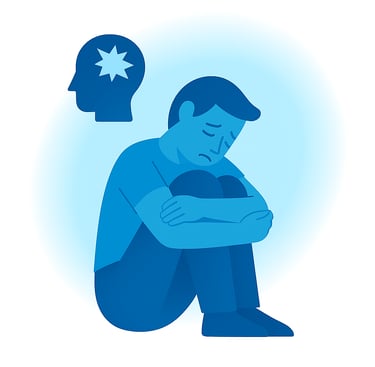
Trauma
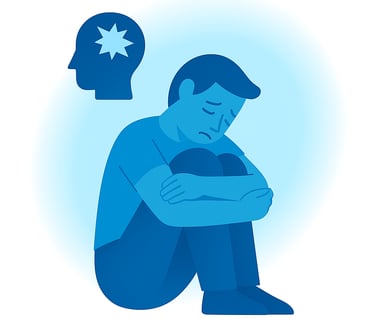
Painful experiences often lead people to seek relief through substances.
Childhood trauma, abuse, or loss can increase the risk of addiction.
Healing begins with understanding and compassion, not judgment.
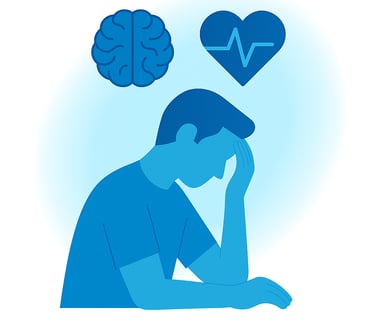
Mental / Behavioral Health
Mental health challenges such as anxiety, depression, or stress can lead people to use substances as a form of relief.
Without proper support or treatment, these struggles may increase the risk of addiction.
Encouraging open conversations and providing early help makes healing possible.
Drug use often begins as a response to deeper challenges — emotional pain, difficult environments, or inherited risks.
By exploring these underlying factors, we can understand the full picture of addiction and help people find healthier ways to heal.
You Are Not Alone — Support Is Closer Than You Think
Life’s challenges can feel overwhelming — but no one should face them alone.
If you or someone you care about is struggling with addiction, anxiety, or emotional pain, there is help.
Through compassion, understanding, and cooperation, healing becomes possible.
Below you can find trusted organizations and helplines in Denmark and around the world that offer professional and confidential support.
Take the first step — reach out, talk, and let hope begin to grow.
Over 35 million people worldwide struggle with addiction — but recovery is possible when compassion meets action.
“Healing begins the moment we choose to share our pain.”
— O.H.C.
“Even in the darkest moments, a single act of kindness can light the way.”
— O.H.C.

Contact us
© 2026. All rights reserved.
Address:
Godthåbsvej 98
2000 Frederigsberg
Denmark
Send us a message or call us directly. We will respond shortly.