Beyond Willpower: Three Truths That Transform Our Understanding of Trauma and Healing
Why Compassion, Not Judgment, Is the First Step Toward Recovery
Setting the Stage
Have you ever wondered why someone you know—or even yourself—can't simply 'will' their way out of addiction? Is sheer willpower truly the whole story, or is there a deeper, more compassionate explanation? This post explores three profound insights from the work "Trauma, priklausomybė ir gijimo kelias" that reframe our understanding of trauma, addiction, and the path to recovery.
The Core Insights
1. Addiction Is Often a Logical Response to Unbearable Pain
Experiences like abuse, neglect, violence, or significant loss can leave behind a constant, heavy ache in the heart. To manage these feelings, many people turn to substances not out of a desire for self-destruction, but as a way to numb pain, escape memories, or cope with overwhelming stress.
This insight is powerful because it reframes addiction not as a moral failing, but as a survival strategy born from trauma. Think of it not as a choice for the substance, but as a choice against unbearable suffering—a desperate attempt to find a moment of peace when none seems available.
This reframing of addiction as a survival strategy becomes even more profound when we consider where this immense pain often originates.
2. Childhood Trauma Has a Long and Powerful Shadow
Trauma experienced in childhood is especially impactful. Its effects often carry far into adulthood, quietly chipping away at a person's belief in their own worth and influencing their relationships and decisions long after the events have passed. The invisible wounds of childhood do not simply fade; they can become the blueprint for an adult life, quietly dictating our reactions and relationships until they are brought into the light.
Without proper support to process these early experiences, this untreated trauma significantly increases the likelihood of a person developing an addiction later in life.
Given how deeply these past experiences can wound a person, the path to healing cannot be forged with blame or shame. Instead, it requires an entirely different starting point.
3. Recovery Doesn't Begin with Judgment—It Begins with Compassion
The foundation of healing from trauma and addiction is not criticism or judgment, but compassion. This fundamental shift in perspective is the necessary first step toward recovery.
Healing begins with compassion, not judgment.
This principle provides a clear path forward. Healing becomes possible through supportive relationships, trauma-informed therapy, and safe spaces. These elements allow individuals to finally process their experiences, rebuild trust in themselves and others, and develop healthier coping strategies for the future.
Conclusion: A Final Thought
By recognizing addiction as a logical response to the long shadow of past trauma, we see that compassion is not just a kind gesture, but the only logical and effective first step toward healing. It reminds us that behind every struggle is a human story that deserves to be understood.
How might our communities change if we approached every struggle with the understanding that compassion is the first step to healing?
Understanding the Root Causes of Drug Use


Environment
The environment we live in shapes our choices and behaviors.
Friends, family, school, and community influence how we view substance use.
When drugs or alcohol are normalized in someone’s surroundings, the risk of starting increases.
Family History
Addiction risk can be passed down through families.
Genetics account for about 40–60% of a person’s vulnerability to substance use.
But awareness, education, and positive family support can break this cycle.
Trauma
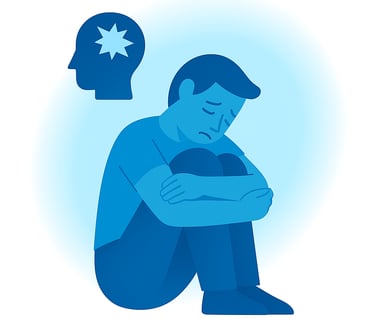
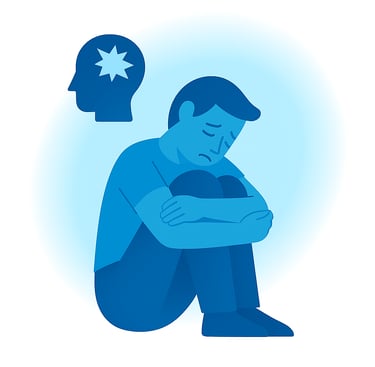
Painful experiences often lead people to seek relief through substances.
Childhood trauma, abuse, or loss can increase the risk of addiction.
Healing begins with understanding and compassion, not judgment.
Mental / Behavioral Health
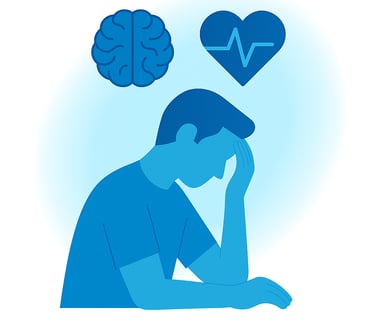
Mental health challenges such as anxiety, depression, or stress can lead people to use substances as a form of relief.
Without proper support or treatment, these struggles may increase the risk of addiction.
Encouraging open conversations and providing early help makes healing possible.
Drug use often begins as a response to deeper challenges — emotional pain, difficult environments, or inherited risks.
By exploring these underlying factors, we can understand the full picture of addiction and help people find healthier ways to heal.
You Are Not Alone — Support Is Closer Than You Think
Life’s challenges can feel overwhelming — but no one should face them alone.
If you or someone you care about is struggling with addiction, anxiety, or emotional pain, there is help.
Through compassion, understanding, and cooperation, healing becomes possible.
Below you can find trusted organizations and helplines in Denmark and around the world that offer professional and confidential support.
Take the first step — reach out, talk, and let hope begin to grow.
Over 35 million people worldwide struggle with addiction — but recovery is possible when compassion meets action.
“Healing begins the moment we choose to share our pain.”
— O.H.C.
“Even in the darkest moments, a single act of kindness can light the way.”
— O.H.C.

Contact us
© 2026. All rights reserved.
Address:
Godthåbsvej 98
2000 Frederigsberg
Denmark
Send us a message or call us directly. We will respond shortly.