The Unseen Link: Mental Health and Substance Use
Why Emotional Pain, Not Willpower, Often Drives the Cycle — and How Compassion Opens the Door to Healing
The Unseen Link: 3 Truths About Mental Health and Substance Use
Many of us have reached for something to take the edge off a stressful day or numb emotional pain, even if just for a moment. But what if that urge for relief isn't the real problem? This article explores the deeper, often-overlooked connection between mental health and substance use, offering three critical takeaways that reframe our understanding of why people struggle.
1. It’s Not a Lack of Willpower—It’s a Search for Relief
When mental health challenges like anxiety, depression, stress, or unresolved emotional pain become overwhelming, individuals are more likely to turn to substances. This is rarely a choice about self-control; instead, it is an attempt to find temporary relief from feelings that seem unmanageable.
Understanding this shifts the focus from blame to compassion. It reframes substance use not as a character flaw, but as a symptom of a deeper, underlying issue that needs to be addressed with support and proper care.
2. The Quick Fix Worsens the Original Problem Over Time
While using a substance might feel like a momentary escape, it is a counter-intuitive trap. Over time, this coping mechanism actually worsens the original mental health challenges it was meant to soothe. This pattern significantly increases the risk of addiction, creating a difficult and self-perpetuating cycle.
Using a substance to escape emotional pain is like borrowing relief from the future—eventually, the debt comes due, deepening the original struggle.
3. The Greatest Obstacle Isn’t the Addiction; It’s the Silence
The greatest barriers to breaking this cycle are often stigma and the fear of judgment. These forces prevent people from seeking the help they need, causing them to struggle in silence without access to proper treatment, guidance, or essential emotional support.
The path forward is clear: promoting open conversations, reducing stigma, and improving access to solutions like therapy, early intervention, and supportive relationships are the key steps in prevention. These actions empower individuals to develop healthy coping skills and find support before a temporary search for relief becomes a long-term struggle.
Understanding that substance use is often a symptom of underlying mental health challenges is crucial for effective prevention and support. By recognizing that the cycle is worsened by temporary relief and perpetuated by silence, we can change our approach. The solution begins not with judgment, but with empathy and open dialogue.
What could change if we stopped asking "Why the addiction?" and started asking "Why the pain?"
Understanding the Root Causes of Drug Use


Environment
The environment we live in shapes our choices and behaviors.
Friends, family, school, and community influence how we view substance use.
When drugs or alcohol are normalized in someone’s surroundings, the risk of starting increases.
Family History
Addiction risk can be passed down through families.
Genetics account for about 40–60% of a person’s vulnerability to substance use.
But awareness, education, and positive family support can break this cycle.
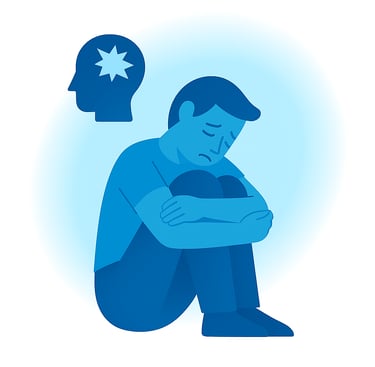
Trauma
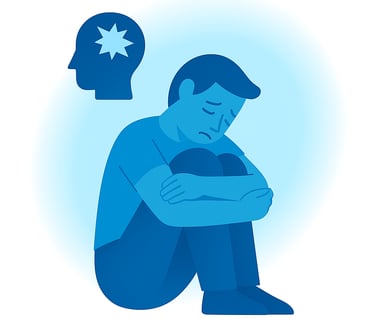
Painful experiences often lead people to seek relief through substances.
Childhood trauma, abuse, or loss can increase the risk of addiction.
Healing begins with understanding and compassion, not judgment.
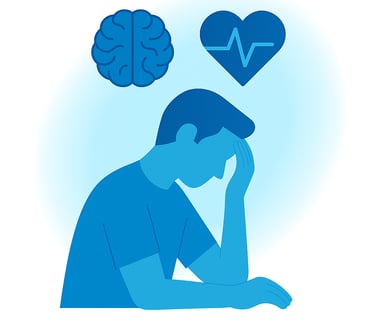
Mental / Behavioral Health
Mental health challenges such as anxiety, depression, or stress can lead people to use substances as a form of relief.
Without proper support or treatment, these struggles may increase the risk of addiction.
Encouraging open conversations and providing early help makes healing possible.
Drug use often begins as a response to deeper challenges — emotional pain, difficult environments, or inherited risks.
By exploring these underlying factors, we can understand the full picture of addiction and help people find healthier ways to heal.
You Are Not Alone — Support Is Closer Than You Think
Life’s challenges can feel overwhelming — but no one should face them alone.
If you or someone you care about is struggling with addiction, anxiety, or emotional pain, there is help.
Through compassion, understanding, and cooperation, healing becomes possible.
Below you can find trusted organizations and helplines in Denmark and around the world that offer professional and confidential support.
Take the first step — reach out, talk, and let hope begin to grow.
Over 35 million people worldwide struggle with addiction — but recovery is possible when compassion meets action.
“Healing begins the moment we choose to share our pain.”
— O.H.C.
“Even in the darkest moments, a single act of kindness can light the way.”
— O.H.C.

Contact us
© 2026. All rights reserved.
Address:
Godthåbsvej 98
2000 Frederigsberg
Denmark
Send us a message or call us directly. We will respond shortly.